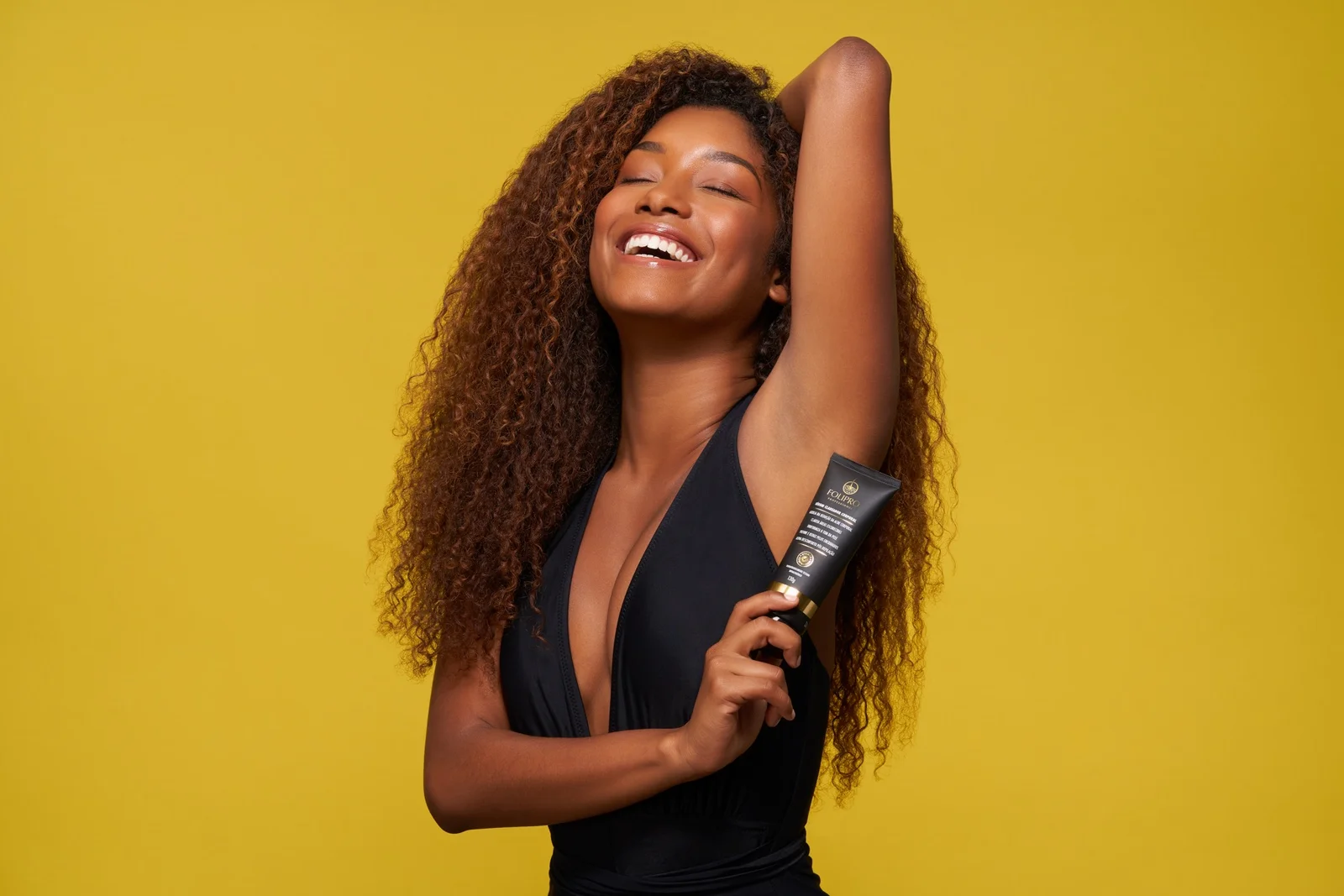
Special Report
Why body dark spots keep coming back — and what an even-toning routine does differently
Underarms, inner thighs, bikini lines and arms can all develop uneven-looking tone. The reason is often more complex than “dry skin” — and harsher scrubbing can make the cycle worse.
2-STEP
ROUTINE
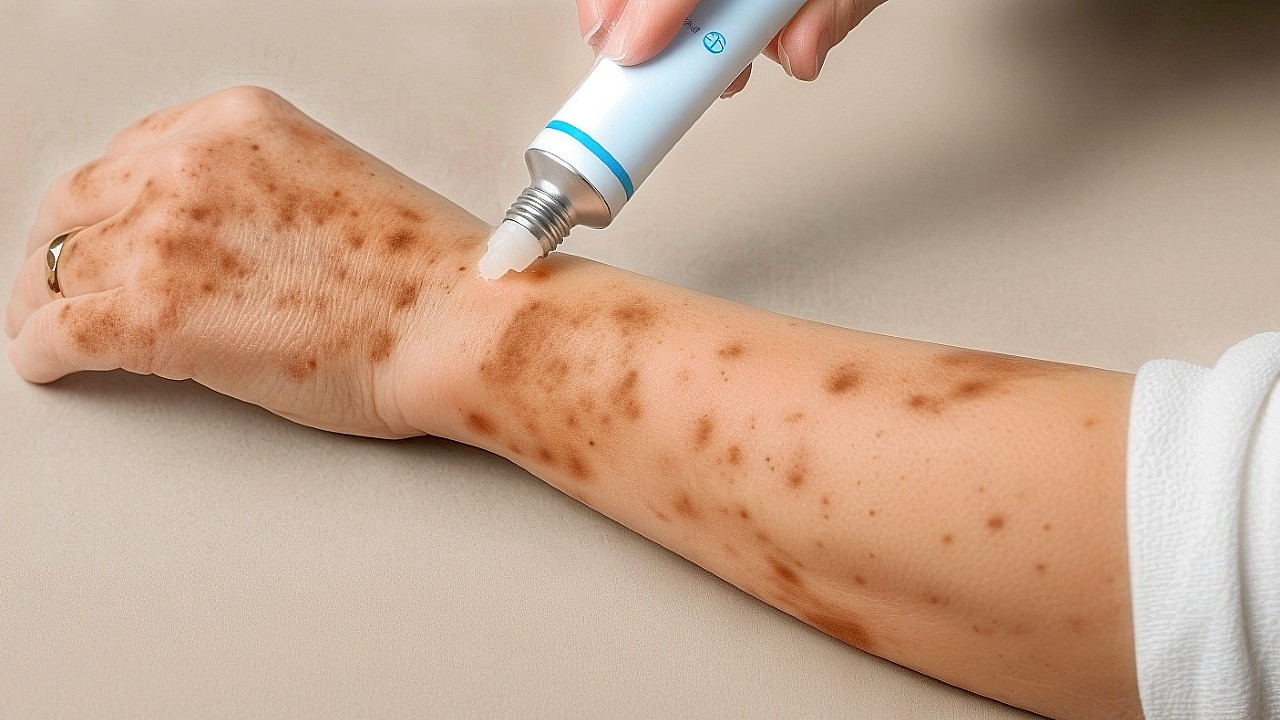
The frustrating thing about body dark spots is that they can outlast the event that created them. A razor bump may settle in a few days. A picked ingrown hair may flatten. Chafed skin may stop feeling tender. Yet the visible color left behind can remain long after the original irritation is gone.
That is why treating every mark as ordinary dryness rarely tells the full story. In many cases, skin has reacted to inflammation or repeated mechanical stress by producing extra pigment. Dermatologists commonly call the resulting color change post-inflammatory hyperpigmentation, or PIH.
The American Academy of Dermatology explains that dark spots can appear after skin heals from an injury or irritation. DermNet describes PIH as pigmentation following a skin injury or inflammatory condition. It is common, and it can be especially noticeable and persistent in deeper skin tones.
This changes the question from “What can erase this spot tonight?” to a more useful one: “How can I reduce repeated irritation, keep the surface from becoming congested and support a more even-looking tone?”
Not every body dark spot starts the same way
Several patterns can look similar in the mirror. Understanding the likely trigger helps you build a routine that makes sense instead of applying stronger and stronger products at random.
Post-inflammatory marks
Color that remains after a bump, rash, scratch, bite or another irritation has settled. The original problem may be gone even though the pigment remains visible.
Post-shaving discoloration
Repeated razor contact, pressure, shaving against the grain or shaving over bumps can create recurring irritation followed by uneven-looking color.
Ingrown-hair marks
A cut hair can curve back into the skin, producing a raised bump. Squeezing or digging at it can increase inflammation and make the remaining mark more noticeable.
Friction-related darkening
Areas that rub against clothing or skin-to-skin contact can experience ongoing low-level irritation, especially when heat, sweat and tight fabrics are involved.
The cycle behind stubborn-looking spots
When skin is repeatedly irritated, it may respond by producing extra pigment in that area. Meanwhile, dead-skin buildup can make texture appear rougher and can contribute to blocked follicles and ingrown hairs.
Friction or hair removal
Shaving, waxing, tight clothing and repeated rubbing can leave sensitive body areas stressed.
Bumps and irritation
Blocked follicles and ingrown hairs can create visible bumps, redness and discomfort.
Marks remain
After the irritation calms, uneven-looking tone may linger as a post-inflammatory mark.
Cosmetic body care can help improve the appearance of uneven tone and rough texture, but it cannot diagnose the cause of a skin change. A new, rapidly changing, painful, very itchy, thickened or unexplained patch should be evaluated by a qualified healthcare professional.
Why “quick fixes” can backfire
Because dark spots are frustrating, it is tempting to scrub harder or experiment with acidic kitchen ingredients. But an already irritated area often needs a consistent, measured routine — not more aggression.
The more practical approach is a routine that combines controlled exfoliation, targeted serum care and patience. That is the logic behind Folipro’s two-product system.
The trigger changes depending on where the spot appears
The same basic principles apply across the body, but the day-to-day source of irritation can be different in each zone.
Shaving, deodorant sensitivity, sweat and the constant movement of skin against skin or clothing can overlap. Gentle cleansing and avoiding aggressive post-shave application are especially important.
Close shaving, waxing, ingrown hairs and underwear friction often occur together. Apply body products only to external skin, never to mucosal or internal intimate tissue.
Walking, exercise, heat and tight fabric can create repeated rubbing. Breathable clothing and friction management matter as much as the cosmetic routine.
Bumps, picking and sun exposure can make leftover marks more visible. When uncovered, broad-spectrum sunscreen helps prevent UV exposure from deepening their appearance.
Hair removal, follicle congestion, workout clothing and long periods of sitting can contribute to rough texture and scattered marks. Avoid picking and let irritated skin settle.
Curved hair can re-enter the skin after shaving. Persistent cases may require changes in shaving technique or a dermatologist’s advice. Use products only where their labels permit.
Three moves. No complicated schedule.
The Folipro routine separates occasional exfoliation from everyday serum care, helping avoid the “more is better” mistake.
Exfoliate
On damp body skin, use the Folipro Body Scrub up to twice a week, massage gently and rinse.
Dry
Pat the area dry. Clean, dry skin helps keep the next step simple and consistent.
Apply serum
Apply Folipro Body Brightening Serum morning and evening to the desired body areas.
Meet the Folipro body-care routine
Folipro pairs a targeted body serum with an exfoliating step designed for concerns such as uneven-looking tone, ingrown hairs, post-shaving marks and folliculitis-prone body skin.
Get the Folipro 2-Step Routine
We’ll email you a quick guide on what to use, when to use it, and how often.
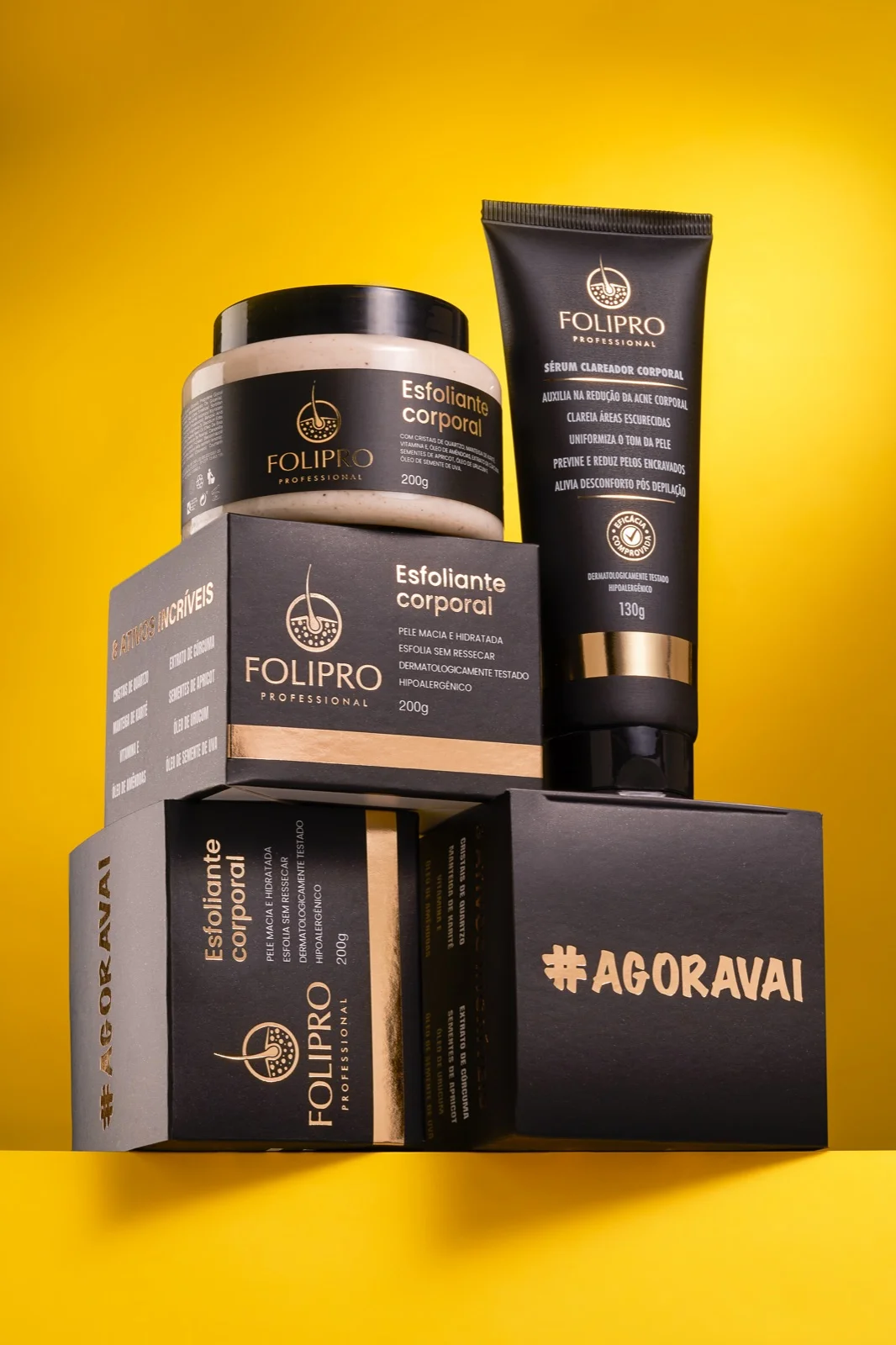
Body Brightening Serum
The leave-on step brings the targeted actives into a single body formula. Its role is to support smoother-looking skin and a more even-looking tone with consistent use.
- Use on clean, dry external body skin
- Apply morning and evening as directed
- Avoid broken or actively irritated skin
- Patch test before broad application
Body Scrub
The rinse-off step helps loosen surface buildup while emollient ingredients support softness. Its role is preparation and texture care — not forceful removal of pigment.
- Use on damp body skin
- Massage gently and rinse
- Use up to twice weekly as directed
- Do not scrub freshly shaved or irritated areas
Four familiar actives, one focused body formula
The role of each ingredient is supportive. Cosmetic results vary, and consistency matters more than any single application.
Niacinamide
A form of vitamin B3 widely used in cosmetics to support a more even-looking tone and the skin barrier.
Salicylic Acid
An exfoliating ingredient used to help remove surface buildup and improve the look of rough, bumpy texture.
Aloe Vera Extract
A botanical ingredient commonly included in body care for its soothing and conditioning qualities.
Alpha-Bisabolol
A calming cosmetic ingredient often used in formulas created for skin exposed to recurring irritation.
Exfoliation balanced with conditioning
The scrub pairs physical exfoliating materials with oils and emollients. Use gentle pressure; the product should glide, not scratch.
Made for the areas people rarely talk about
Body dark spots often show up where friction and hair removal happen most. Folipro is positioned as a body cosmetic for these high-concern areas.
This page discusses body use. For facial discoloration, choose a product specifically labeled for facial skin or ask a dermatologist.
What a consistent routine may look like over time
This is not a guaranteed result timeline. Skin, triggers and pigment depth vary. It is a practical way to judge the routine without expecting every mark to disappear immediately.
Patch test, follow label directions and pay attention to stinging, persistent redness or peeling. Comfortable consistency matters more than using extra product.
Controlled exfoliation and regular conditioning can make rough areas feel smoother before older discoloration looks different.
Compare the area in the same lighting rather than checking several times a day. Avoid creating new marks through picking, harsh scrubbing or repeated friction.
If the appearance improves, continue the habits that reduced irritation. Returning to the same aggressive shaving or friction cycle can create new marks.
Your hair-removal technique matters
When dark spots cluster around shaved follicles, a new serum cannot compensate for the same irritating shave repeated every few days.
The dermatology principles behind this guide
The general educational information above is supported by independent dermatology resources. These sources do not endorse Folipro and are included so readers can examine the underlying skin-care guidance directly.
How to fade dark spots in darker skin tones
Explains how skin or hair-care irritation can cause dark spots and why gentle products and sun protection matter.
Read the AAD guidance →How to test skin-care products
Provides practical patch-testing guidance before introducing a new product to a larger area.
Read the AAD guidance →Post-inflammatory hyperpigmentation
Reviews pigment changes that may follow injury or inflammatory skin conditions and why sun exposure can darken affected areas.
Read the DermNet overview →Pseudofolliculitis after shaving
Explains the inflammatory reaction created when cut hairs re-enter the skin and the pigmentation that can remain afterward.
Read the DermNet overview →Ingrown hair
Describes common causes, symptoms and prevention principles for ingrown hairs, including shaving-related risk factors.
Read the Cleveland Clinic guide →Dark underarms
Discusses several possible causes of underarm discoloration, including shaving irritation and friction from tight clothing.
Read the Cleveland Clinic article →Questions, answered carefully
Is Folipro for the face or the body?
This guide and the supplied Folipro directions describe body use. Facial skin, eyelids and lips require products specifically labeled for those areas. For facial pigmentation, choose a face-labeled product or ask a dermatologist.
How often should I use the routine?
The supplied Folipro guidance recommends the serum twice daily on clean, dry body skin and the scrub up to twice weekly on damp skin. Follow the directions printed on your product.
Can I use it immediately after shaving or waxing?
Freshly shaved or waxed skin can be sensitive. Follow the product label and avoid applying to irritated or broken skin. Patch testing a small area is a sensible first step.
Which body areas can be included?
The supplied materials position the routine for external areas such as underarms, outer bikini line, inner thighs, buttocks, arms, legs and back. Never apply to internal intimate tissue.
Should I patch test first?
Yes. Apply the product to a small area as directed and monitor for irritation before using it more broadly. Stop if you develop persistent burning, swelling, blistering or significant irritation.
What about laser hair removal?
The brand’s supplied guidance recommends pausing the serum three days before laser hair-removal sessions. Confirm timing with your treatment provider before resuming.
Can I use it while pregnant?
Because the serum contains salicylic acid, the brand recommends that pregnant users consult a physician before use.
Can I combine it with retinoids, glycolic acid or other exfoliants?
Layering several active exfoliants may increase irritation. If you already use prescription skin care or other acids on the same area, ask a dermatologist or pharmacist how to space the products safely.
Will it erase every dark spot?
No cosmetic can promise identical outcomes for everyone. Folipro is designed to help improve the appearance of uneven tone, rough texture, ingrown hairs and post-shaving marks with consistent use.
When should I see a dermatologist?
Seek professional evaluation for a patch that is new and unexplained, rapidly changing, painful, severely itchy, thick or velvety, bleeding, infected, spreading or not responding as expected. Not every color change is cosmetic hyperpigmentation.
Build a body-care routine you can actually repeat
Get the two-step routine by email, with directions for using the scrub and serum.
Get the Routine →